Ways To Use Slack To Boost Employee Engagement
/
5min
/
Post by
Leticia Katz
Employee engagement is directly influenced by how teams communicate, collaborate, and connect on a daily basis. As more organizations adopt remote and hybrid work models, digital communication tools play a central role in shaping workplace culture. One increasingly effective tactic is creating fun Slack sports channels that encourage informal interaction and shared experiences among team members.
Beyond instant messaging, Slack enables structured collaboration, real-time knowledge sharing, and cultural engagement. When used strategically—from project-focused channels to informal spaces like fun Slack sports channels—it helps teams stay aligned while fostering participation and connection. These elements are essential for improving morale, reducing disengagement, and supporting long-term productivity.
In this article, we explore practical ways to use Slack to boost employee engagement, improve collaboration, and create a more connected and engaging workplace.
Using Slack as a Productivity and Engagement Tool
Slack’s value goes far beyond replacing email. At its best, Slack acts as a centralized workspace where communication, collaboration, and culture coexist. By organizing conversations, integrating tools, and reducing friction in daily workflows, Slack helps employees stay focused and engaged.
Understanding how to structure and use Slack intentionally is the foundation for improving employee engagement across teams.
Centralized Communication
One of Slack’s most significant advantages is centralized communication. Instead of navigating long email threads, employees can communicate in real time through organized channels. Questions are answered faster, decisions are documented transparently, and collaboration becomes more efficient.
Slack’s search functionality also allows teams to quickly retrieve past conversations, shared files, and key updates. This reduces time wasted searching for information and helps employees stay focused on meaningful work.
With both desktop and mobile apps, Slack keeps teams connected regardless of location—an essential benefit for distributed and global teams.
Integrations With Other Work Tools
Slack integrates with a wide range of productivity tools such as Google Workspace, Asana, Trello, Jira, and customer support platforms. These integrations allow teams to receive updates, manage tasks, and share files directly within Slack.
By centralizing notifications and workflows, Slack reduces context switching and helps teams stay aligned. Automations can handle repetitive tasks, while real-time alerts keep everyone informed without overwhelming inboxes.
Custom Notifications and Focus Management
Employee engagement suffers when constant interruptions break focus. Slack’s customizable notification settings allow employees to control how and when they receive messages.
Users can prioritize key channels, mute non-urgent conversations, and pause notifications during focus time or outside working hours. This flexibility supports productivity while promoting healthier work-life balance—both critical to sustained engagement.
Enhancing Team Collaboration in Slack
Slack is designed to support collaboration across teams, roles, and time zones. Its channel-based structure and conversation tools make it easier to collaborate transparently and efficiently.
Creating Channels for Projects and Teams
Slack channels organize conversations by topic, project, or department. Dedicated project channels centralize discussions, files, and updates, ensuring that all relevant information lives in one place.
This structure prevents important messages from getting lost and helps teams maintain clarity around responsibilities, deadlines, and progress. For sensitive initiatives, private channels offer controlled access without sacrificing collaboration.
Using Threaded Conversations
Threaded conversations help keep Slack channels organized and easy to follow. Instead of cluttering a channel with multiple replies, team members can respond directly to a specific message.
Threads preserve context, reduce noise, and make it easier for employees to revisit discussions later—especially valuable for onboarding new team members or collaborating asynchronously.
Encouraging Open Communication
Slack’s informal communication style encourages employees to share ideas, ask questions, and contribute without the formality of email. This openness helps break down silos and supports a more inclusive workplace culture.
Direct messages allow for quick feedback and clarification, while public channels promote transparency and shared learning across teams.
Fostering a Fun and Engaging Workplace Culture
Employee engagement is not driven by productivity alone. Social connection, recognition, and shared interests play a major role in how employees experience work. Slack provides the infrastructure to support these human elements at scale.
Creating Fun Slack Channels (Including Sports)
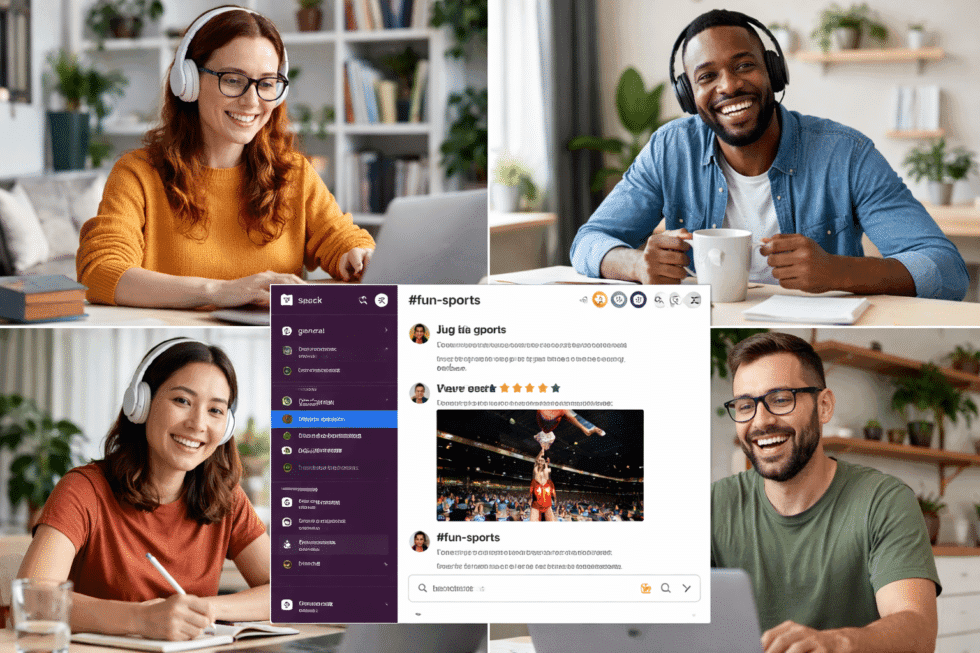
One of the most effective ways to increase engagement is by creating non-work Slack channels based on shared interests. A fun Slack channel sports, for example, gives employees a space to discuss games, teams, and major sporting events.
Sports channels often become some of the most active Slack spaces, driving daily participation and informal interaction. These conversations help employees bond, especially in remote teams where casual office interactions are limited.
Other popular fun channels may include hobbies, pets, food, wellness, or travel. These channels give employees a mental break from work and strengthen interpersonal connections.
Organizing Virtual Events Through Slack
Slack can also be used to promote and coordinate virtual events such as trivia nights, step challenges, learning sessions, or informal coffee chats. Dedicated channels help centralize communication and encourage participation.
Virtual events supported through Slack help maintain engagement and community, even when teams are geographically dispersed.
Recognizing and Celebrating Achievements
Recognition is a key driver of employee engagement. Slack makes it easy to celebrate wins, recognize individual contributions, and highlight milestones in real time.
Dedicated recognition channels reinforce appreciation and visibility. Public acknowledgment not only boosts morale but also encourages a culture of gratitude and high performance.
Best Practices for Maximizing Slack Engagement
To fully leverage Slack as an engagement tool, organizations should establish clear norms and encourage intentional use.
Set Clear Guidelines
Define expectations for communication, channel usage, and etiquette. Clear guidelines reduce confusion and help teams use Slack more effectively.
Encourage Participation
Actively invite employees to engage in discussions, contribute ideas, and join fun channels like a fun Slack channel sports. Engagement grows when participation feels welcomed and valued.
Regularly Review Channels
Archive inactive channels and create new ones as team needs evolve. A well-organized Slack workspace improves usability and adoption.
Provide Training and Support
Offer onboarding resources, tutorials, or short training sessions to help employees make the most of Slack’s features. Ongoing support ensures consistent and effective use.
Conclusion
Slack is a powerful platform for boosting employee engagement when used intentionally. By supporting productivity, collaboration, and workplace culture in one centralized space, Slack helps teams stay connected and motivated.
From structured project channels to informal spaces like a fun Slack channel sports, Slack enables organizations to build a more engaging, collaborative, and human work environment. With the right strategy, Slack becomes more than a communication tool—it becomes a core driver of employee engagement and long-term success.
Talent that changes the game
You’ve built momentum. Now add the talent that helps you scale it.